

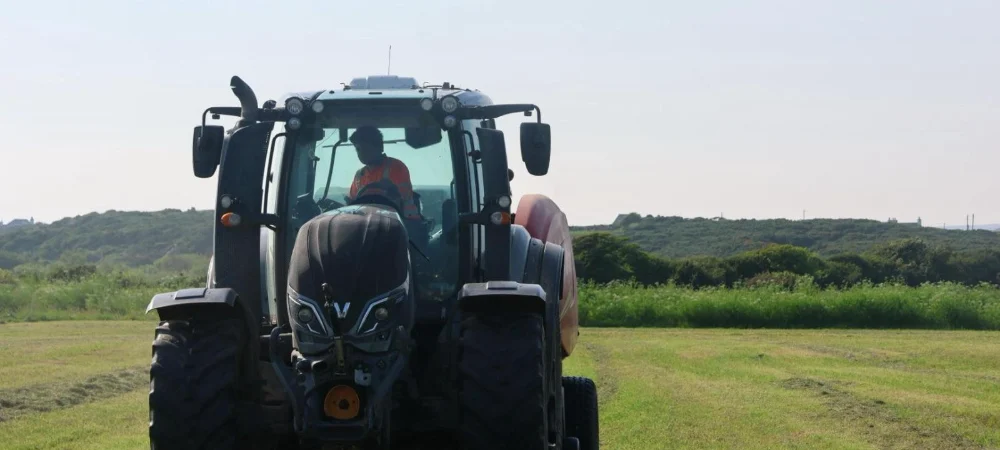
Luke Owen Rural Services is a sole trader in the UK providing a mixture of agricultural and fencing contracting. While growing his business, Founder Luke Owen was struggling to juggle all the paperwork the company was generating in invoices and receipts. He turned to accounting software from Sage which has improved how existing customers and prospects see his business and also made sure he completes his VAT return correctly.
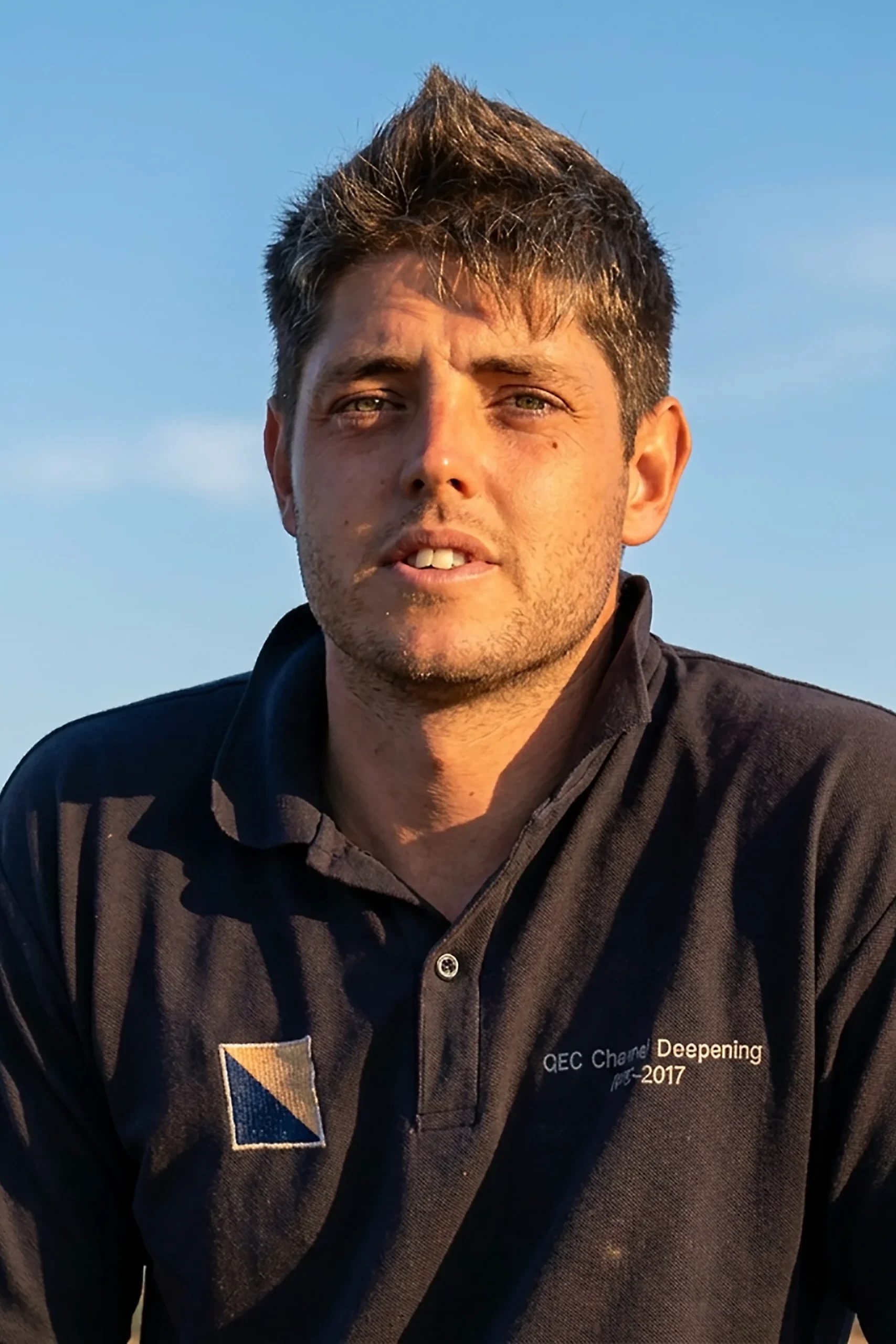
Following an incorrect VAT submission, Luke Owen Rural Services had to undergo a VAT inspection, which can be a stressful experience. After this Owen knew that, moving forward, he had to log everything using accounting software.
He initially turned to QuickBooks, but he found himself spending a lot of time re-submitting entries and trying to get to grips with the interface. So, this was sidelined pretty quickly, and he switched to Sage Accounting, a name he recognised, and he figured there must be a good reason why so many larger companies swear by it.
Apart from when he does his VAT returns, Owen submits everything via the Sage mobile app, meaning he can do it on the go, rather than letting it build up. Submitting transactions can be done at a click of a button, without having to dedicate days to uploading invoices and receipts. This means Owen has more time for himself and his family.
Luke Owen took the time to answer questions from Intelligent SME.tech.
Tell me more about your business and what it offers.
My business is a mixture of agricultural and fencing contracting. Over the past few years, I’ve been doing more fencing work tied to environmental projects, such as creating river buffer zones that protect river species from livestock.
I also do predator-exclusion fencing for a range of publicly funded environmental clients such as natural resource companies, national parks and the Royal Society for the Protection of Birds (RSPB), where I try to keep predators like badgers away from ground-nesting birds. Alongside that, I’m still very much an agricultural contractor doing a lot of grassland work for farmers as well as carrying out excavations and maintenance.
What was the most difficult part of managing paperwork when growing your business?
I was having to do everything manually and there was too much paperwork involved originally. There was a lot of running the maths myself and invoicing as I go; I track stock items, rates and unit costs. The summer is particularly chaotic as I can have five different customers receiving services at any given time. For example, some days I’d be baling silage for customers, with some having 600, another 150 and so on. It became very easy to lose track of thousands of pounds of work.
In terms of technology, which area of the business was the most difficult to manage to begin with?
VAT was the big one. The whole reason I started using Sage was because I’d messed up a VAT return, which landed me with a VAT inspection. That was a real shake-up and a big eye-opener into where my books needed to improve. I originally tried QuickBooks, but I just couldn’t get on with it. The layout didn’t work for me, I had issues with inputting data and when you’re getting in at one o’clock in the morning after a full day, the last thing you want is to be fighting with paperwork. So I decided to give Sage a go and everything clicked into place straight away.
How long did it take to fully get to grips with using Sage?
Honestly, it was pretty quick. I do 99% of what I need on my phone and the mobile version is really slick, quick and easy to enter stuff. I only use my laptop if I need multiple tabs open for pricing a complex job or submitting VAT returns. Even then, I can start invoices on my phone, quickly open a draft and put the exact site specifics or ground conditions when I get home. No more fighting paperwork at one in the morning!
How has Sage Accounting made it more efficient for customers?
It’s massively improved my professional image when it comes to giving customers an accurate quote. Sage’s platform has improved how existing customers and prospects see the business. I’ve also got different companies and individual contacts saved, so everything goes to the right person straight away.
Plus, I don’t have to track stock items and rates manually anymore because it’s all there. Certain products and rates are saved, so I can just use the drop-down, enter the units required and it’s sorted. That has enabled me to give customers a quote on the fly and speed up the time to completion.
I’ll go look at a job, do my measurements, open Sage on my phone and draft up the quantities while I’m still on site. Then when I get home, it’s already there on my laptop and I can refine it. As my workload increases, being able to just convert a quote straight into an invoice has been a huge time-saver.
Have you had success with your VAT returns since using Sage?
Absolutely. With Making Tax Digital, being able to enter my Government Gateway details into Sage has made VAT returns so much easier. Everything updates as I go, so I don’t need to go back through paperwork or work things out from scratch. I go on the laptop quarterly to submit VAT returns, double-check everything and it’s all there ready. It’s a world away from where I was before.
What’s next for your business?
The past couple of years, costs have been rising so I’ve been using Sage’s analytics to streamline the business. When you can see graphs showing your outgoings creeping closer to your income line, it really makes you think about what needs to change.
That visibility helped me understand that I needed to get rid of kit that wasn’t performing and move to older, more maintainable machinery that’s more fuel-efficient. It also helped me identify services that looked like high turnover but was actually gaining me nothing. In a brutal way, it’s made me realise the fragility that can come with running a business. And I’m really glad for the early awareness because it’s helped me open up that gap between income and outgoings again.