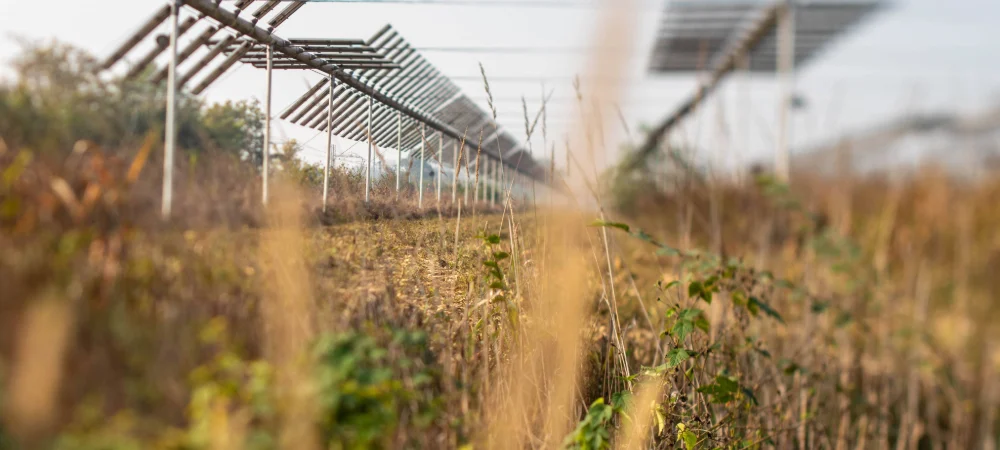

NextGen Nano, a UK company developing transparent organic solar and display technologies, has announced plans for a pilot agrivoltaics initiative in West Africa using its PolyPower transparent organic solar film technology.
The pilot project is intended to demonstrate how PolyPower can combine food and energy production within greenhouse and tunnel structures, enabling climate-controlled agriculture while generating renewable electricity in off-grid and energy-constrained environments.
A key objective of the initiative is to explore whether agrivoltaic greenhouse systems can enable reliable cultivation of nutrient-dense crops such as amaranth, African nightshade, cowpea leaves, spider plant, moringa and kale, while also supporting cooling, refrigeration and wider community energy needs where electricity supply remains limited, expensive, unreliable or dependent on diesel-powered generators.
By enabling more reliable cultivation of these crops, the pilot will also assess whether agrivoltaic greenhouse systems can help improve dietary diversity and reduce nutrition-related health burdens, particularly among children. These leafy vegetables are valued for their contribution to vitamin A and iron intake. The World Health Organization identifies vitamin A deficiency as the world’s leading preventable cause of childhood blindness and a contributor to increased mortality from common infections, while iron deficiency is the most common nutritional cause of anaemia and can impair children’s physical and cognitive development.
The project will also evaluate potential applications in medical cold-chain infrastructure, including the storage of vaccines, medicines and other temperature-sensitive supplies in clinics, health posts and community facilities.